Buyer Guides
Bumper Brackets and Supports: An Ordering Checklist
What to inspect before ordering a bumper bracket, support or lower attachment component, using catalog references and mounting position as the guide.
Identify the Job, Not Only the Name
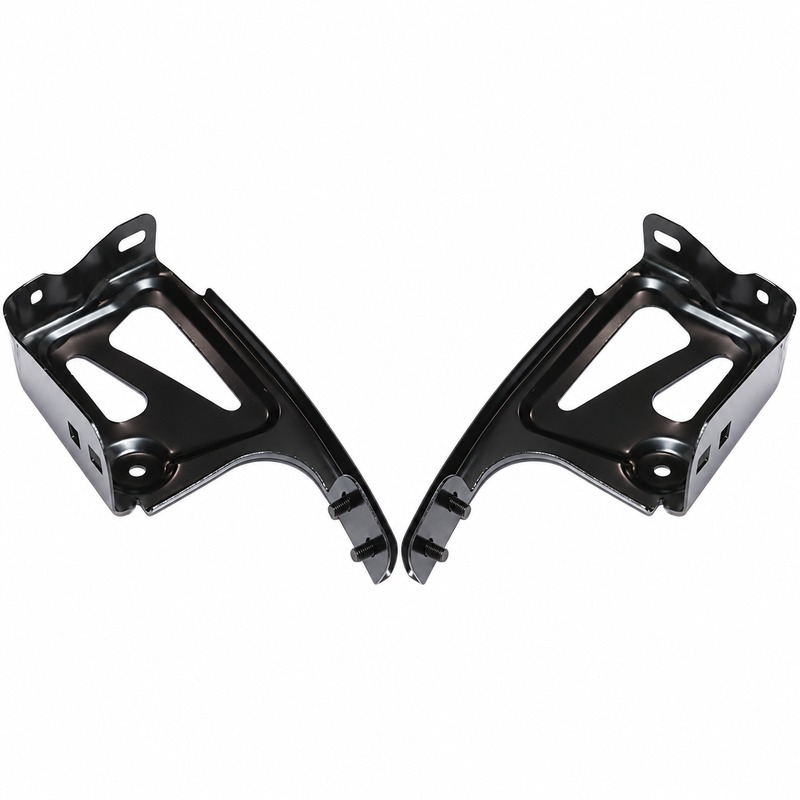
A bumper assembly contains visible covers and behind-the-surface mounting parts. Brackets, stays, supports, retainers and lower boards perform different jobs. The catalog includes front bumper bracket sets, rear bumper bracket listings, supports and lower bumper components. Two parts can both be described as brackets while attaching at different points, so the first step is to identify the exact repair location.
Use photographs of the exposed mounting area and the old component. Record its orientation and the number of attachment points. If the part carries an item or OE reference, copy the full label. Do not select a bracket solely because its product name includes the vehicle model.
Check Side and Pair Wording
Some listings describe left-side or right-side references, while others describe a set. Confirm whether the repair requires one side or both. A “set” title should prompt a check of what the set contains, especially when two distinct OE references appear in the specifications.
When the old part is available, compare its shape against the listing photograph in the same orientation. If the listing uses a set image but the quote describes one piece, clarify the quantity. This prevents a correct design from arriving in the wrong quantity for the repair.
Inspect Mounting Points and Surrounding Damage
A bracket or support can be correct but still appear misaligned if the adjacent mounting panel is bent or missing hardware. Before ordering, inspect the vehicle side of the attachment: slots, holes, captured nuts, clips and contact surfaces. Photograph both the replacement side of the old part and the place where it mounts.
State whether the bumper cover, grille, lamp or lower trim will also be replaced. Adjacent parts can influence alignment and the amount of hardware required. The available product listing documents the named part; it does not automatically confirm that the surrounding structure is undamaged.
Compare Supports With Visible Covers
A support is generally not a cosmetic bumper cover, and a lower board is not a bracket set. Use the full product description to understand the component’s role. The catalog includes an example titled Support Of F/Bumper for Tacoma 2016–2020 USA models and separate front bumper bracket listings for other applications.
If the request concerns a bumper cover, do not substitute a support merely because both are listed under the same vehicle family. Conversely, if the visible cover is reusable, identify the hidden attachment component separately. A concise description of what will remain and what will be replaced helps the supplier quote the correct part.
Prepare the Technical Information
Send the vehicle model, model year, market or type designation, required side and item or OE reference. Add photographs of the old part from the front, back and side, plus a photograph of the mounting location. Include quantity and destination country. If the part has been repaired before, describe that point because earlier work can affect alignment.
Ask the supplier to confirm whether the quoted item is the support, bracket, stay, board or complete set described in the listing. The answer should use the same terms as the product record. When a detail such as included fasteners is not listed, ask rather than assuming that hardware is included.
Pre-Order Verification
Compare the final quote with the item reference and the full product name. Confirm side and quantity. Check that any configuration wording in the listing has been addressed. Review the mounting photographs once more before approving the order.
After installation, keep the part reference with the repair record. If fitment requires adjustment, the original item identity makes it easier to revisit the supplier data. Careful identification before the order is more reliable than using appearance alone after a part has already arrived.